You're in the right place.
Opera can feel intimidating. After all, the media tells us that opera is mainly for Bond Villains and/or Richard Gere. But trust us, opera was created to be an art form for everyone, from Venetian gondoliers to Memphian logistics wranglers. There is a ton of fantastic material out there for you to explore, if you are interested, but here are a few of the basics.
No prior experience required. There is no insider language, no test at the door, no tux or monocle required. Come as you are.
Every performance has projected translations of what is being said, regardless of whatever language it may have been written in originally.
Wear what’s comfortable. Arrive a little early. Applaud whenever you feel moved. The rest you can probably figure out as you go.
A short primer
If the word “opera” still feels a little intimidating, that’s fair. We’re talking about centuries of music and thousands of individual operas. (And a small minority of opera lovers have been known to be a little, well, snooty on occasion. We know, we know. We’re working on it.)
So to get started, here’s four of the most important dates in the history of opera.
Jacopi Peri's opera, Dafne, premieres in Florence. It is considered the first opera, though most of the music is lost.
Mozart is born.
Verdi's opera Rigoletto premieres in Venice.
Memphis Opera Theater, Inc. gives its first public performance.
01 · The form
Opera comes from the Italian word for works, plural, since it is a combination of all types of art: music, words, visual arts, theater and dance. The story is told through both music and words. If that sounds like Musical Theater, you are absolutely right. The two genres are essentially the same, and most countries do not draw the harsh distinctions that we do in America, sopmetimes using the terms “Music Drama” or “Lyric Theater”.
02 · The words
The libretto is the text of the opera, written in verse by a librettist. The composer then sets that text to music. Many of the most famous operas were written in different langages (Italian, German, French) but we always have English surtitles projected above the stage. Today, a new American repertoire is being created, and Opera Memphis is a proud part of that movement with our commisioning program.
03 · The voices
One way in which opera is sometimes different from musical theater in the modern day is that operas do not generally use microphones, while musicals do. Singers train their whole lives to fill a hall with thousands of seats, no amplification needed. Because of the technical demands of making such a powerful sound, the style of singing can sometimes feel strange, but it is all in service of creating an organic, analog sound.
04 · The Score
As opera grew as an artform, the music eventually became too complex for musicians to manage on their own, which led to the rise of the conductor. She is responsible for ensuring that the singers and the musicians are in perfect synch, and that everything the audience hears is as polished as possible. Another difference with Musical Theater is that the conductor in opera has the final say, as opposed to the director.
What to expect
These videos are ones we have curated to explain about opera in general, preview a coming opera, or maybe even just make you smile.
Most operas have plenty about them online, but we prefer to avoid spoilers. (If you prefer to know the ending of the movie before you go, then go for it!)
That's when the Cooper English Opera Troupe staged il Trovatore, a year before the Greenlaw Opera House was built.
For decades, when folks want to describe that something is really intense, they tend to describe it as "opera." But you can probably handle it.
Want a no-cost, no-stress intro to what we do? Every September we produce a month of free performances across the city.
Over a third of the audience at most Opera Memphis performances is new to opera. You won't be the only one, we promise.
Yes, there is plenty of stabbing and adultery, but there are lots of romantic comedies as well!
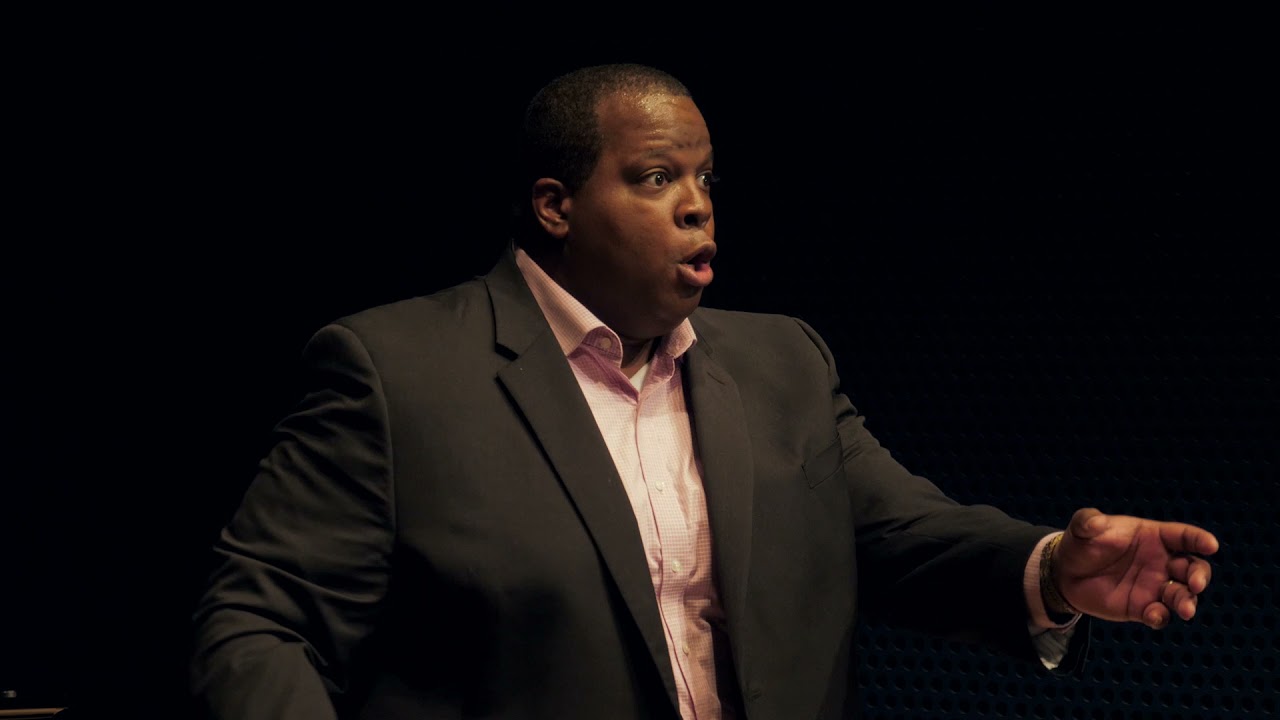
Joshua, who last sang at IOpera memphius during the pandemic, returns as the title character in Verdi’ searing masterpiece. One night only, with The Memphis Symphony Orchestra on October 24.
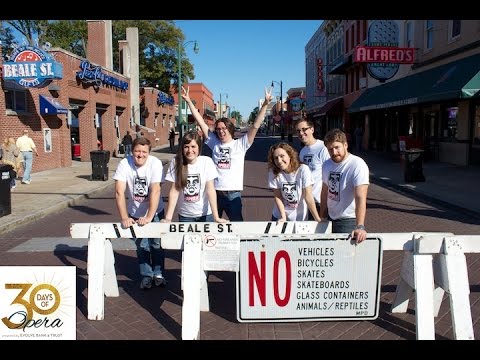
Every September, Opera Memphis brings free pop-up performances to libraries, parks, festivals, and street corners across the city. An easy first taste of opera. No ticket required, no dress code, no pressure.
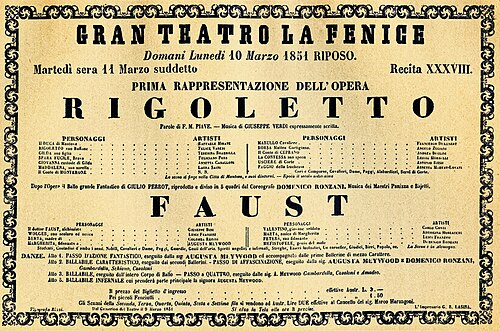
Antonio Pappano, Music Director of The Royal Opera, explores the music from Verdi’s Rigoletto and answers the question: what makes it such a powerful opera?
Browse by column or tap any question. Only one answer opens at a time so the page stays calm. If something you need isn’t here, our Box Office is a phone call away.
Opera Memphis productions take place at several venues across the city. Always check your ticket for the specific location of the performance you’re attending.
Each production page on this site lists the specific venue and exact times for that performance.
Arrive 30 to 45 minutes before the performance. That gives you time to find parking, pick up your tickets, settle into your seat, and read the program before the lights go down. If you want to attend the pre-show talk, those start 60 minutes before curtain.
Performances start at the advertised time. Late seating happens at the first appropriate break, which sometimes means after intermission.
Parking varies by venue. GPAC and the Scheidt Family Performing Arts Center have free on-site lots. Playhouse on the Square sits in busy Overton Square; the Overton Square Garage at 2100 Monroe Ave is less than a block away ($5 after 6 pm). Either way, arriving early makes life easier.
Each performance is different. Mainstage productions usually run about two to 2.5 hours with one intermission. Chamber pieces and recitals tend to be an hour to 90 minutes. The production page lists the runtime for your show.
Whatever you’d be comfortable in for a nice dinner. Tuxedo and evening gown? Go for it. Jeans and a casual shirt? Also fine. You’ll see every kind and level of dress at our events. We do suggest a sweater if you tend to run cold, since theaters can be chilly.
When in doubt, remember the Bennigan’s rule: “No shirt, no shoes, no opera.”
Yes, but only before or after the show, or during intermission. Even better, take a picture in the lobby, where we usually have our photo wall set up!
Please refrain from any photography, recording, or device use during the performance. Silence and stow phones before the lights go down.
Most indoor productions are best for ages four and up, and we usually program at least one family-friendly opera each season. For older children, if they can sit through a full feature-length movie, they’ll likely do well at the opera. Consider aisle seats for easy access to the lobby. If you have any doubt, give us a call and we can give some guidance.
Yes. Every Opera Memphis production sung in a language other than English uses surtitles, translations of the libretto projected above the stage so you can follow along in real time. For productions sung in Italian, French, German, Klingon, or any other language, you’ll see English surtitles throughout. Selected productions also include Spanish surtitles.
(Beyond the translation, the music and staging do a lot of the storytelling. You may feel the emotional line before you even finish reading the words.)
Typically, people applaud at the end of a song, the end of an act, and at the end of the performance. If you’re worried, applaud when other folks do (but only if you agree with them!)
If you want to dive all the way in, during bows and applause, you’ll often hear someone shout “bravo”, but also “brava” or even “bravi tutti”. Here’s your cheat sheet.
As long as the opera isn’t sold out, we sell tickets at the door. The Box Office in the theater lobby opens 90 minutes before each performance. Many of our productions sell out in advance, so we strongly recommend buying ahead.
We accept cash and all major credit cards. Same-day purchases by check are not accepted.
For select productions, Opera Memphis offers $10 student rush tickets. They are sold at the theater lobby on the night of the performance and require a valid student ID, one ID per ticket. Student rush is subject to availability and is not sold online or by phone.
Most venues offer wine, water, and snacks in the lobby before the show and at intermission. Food is generally not permitted in the auditorium, though some venues allow you to bring your drinks in. Some venues operate cash-only at the bar, so check the venue page if you’d like to plan ahead.
Accessibility varies by venue. Please call the Box Office at (901) 257-3100 in advance and we’ll talk through what’s possible for the performance you’d like to attend: wheelchair seating, assistive listening, companion seats, or any other accommodation you need.